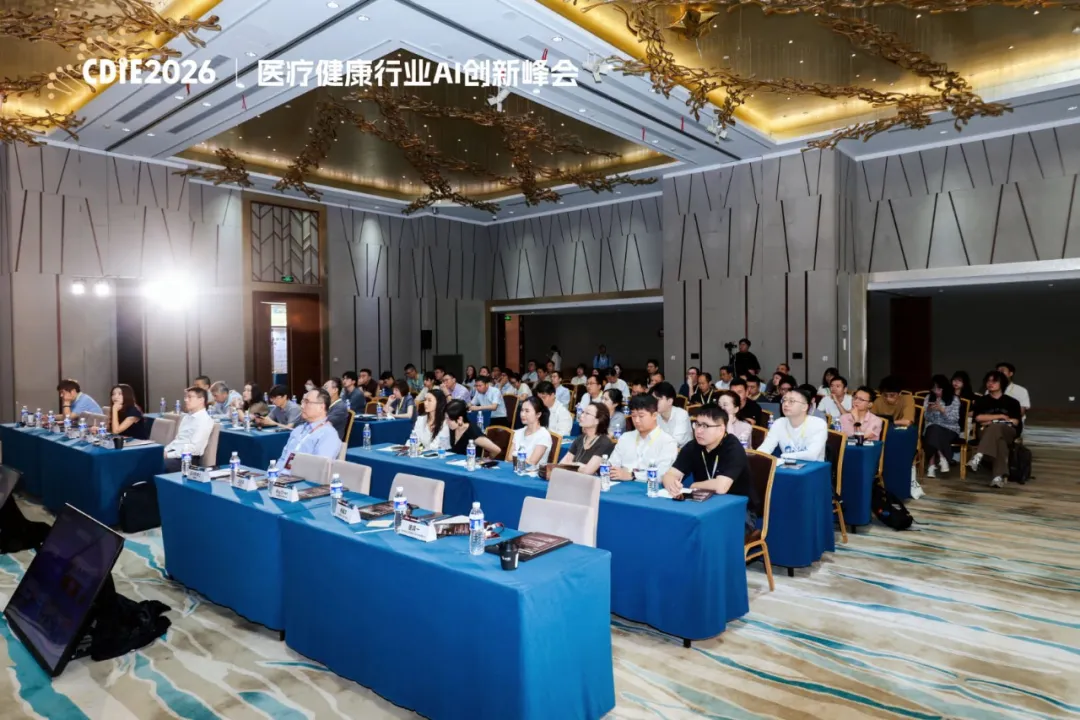
On September 16, 2026, the CDIE Healthcare AI Innovation Summit was held in Shanghai under the theme “Intelligent Healthcare Connectivity · AI as the New Quality Productivity.”
The summit brought together 100+ industry leaders across the healthcare value chain, with 10+ practitioners and decision-makers from leading companies sharing their insights and practical experiences on AI-driven innovation in healthcare.
From AI-native healthcare and AI-driven R&D and diagnosis transformation to intelligent ecosystems, AI security and compliance, Lean AI, and the transition from data foundations to AI-human symbiosis, the summit explored how AI is moving from technological experimentation toward real-world productivity.
Dr. Yang Chenhua
Initiator of CDIE & GDIE
Founder of Tech+
CDIE is evolving from simply connecting people and organizations to connecting innovation.
As AI continues to reshape healthcare, the industry needs more than technology itself. It needs a platform that connects enterprises, healthcare organizations, technologies, ideas, and business opportunities to build a broader industry connector and business innovation ecosystem.
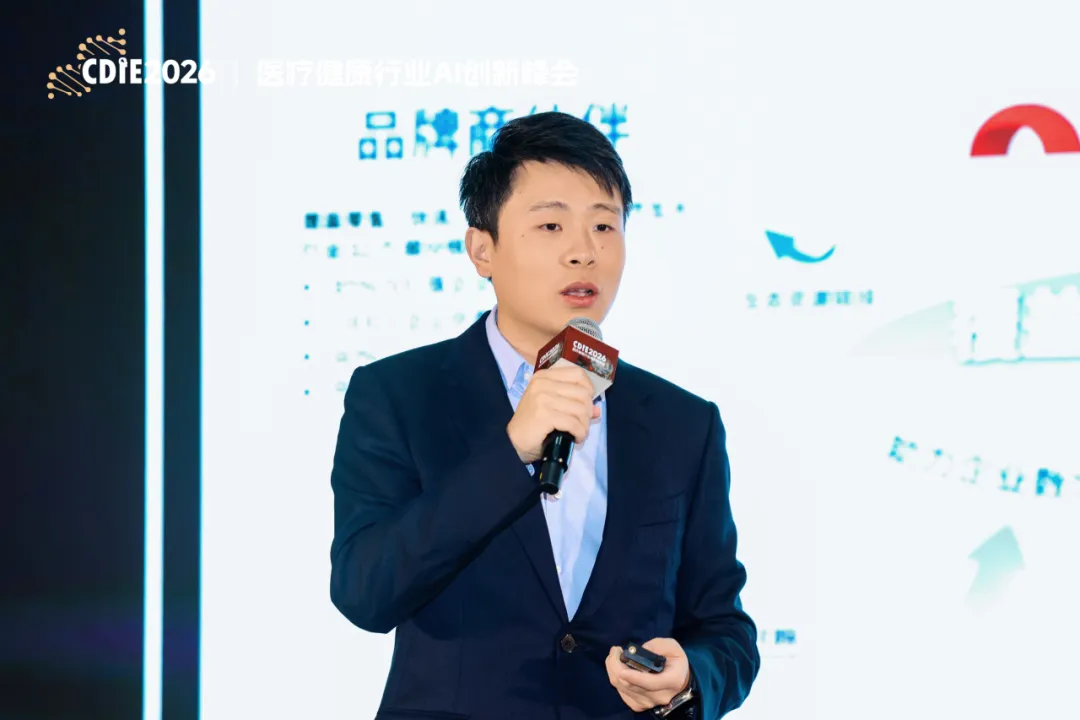
Dr. Wang Xingli
President of Fosun Pharma & CEO of Innovative Drug Business
Dr. Wang Xingli shared insights into the global landscape of innovative pharmaceuticals, focusing on the evolution from BIC to FIC, China's innovative drug R&D capabilities, and the next stage of pharmaceutical globalization.
The discussion covered:
The global innovative drug landscape
The transition from BIC to FIC
China's innovative drug R&D capabilities
Pharmaceutical globalization 2.0
Regulatory environments and global ecosystems
According to the source material, China's innovative drug overseas expansion reached US$1.356 billion in 2025, accounting for 49% of the global total.
The development of innovative pharmaceuticals is moving from simply going global toward deeper integration into the global innovation ecosystem.
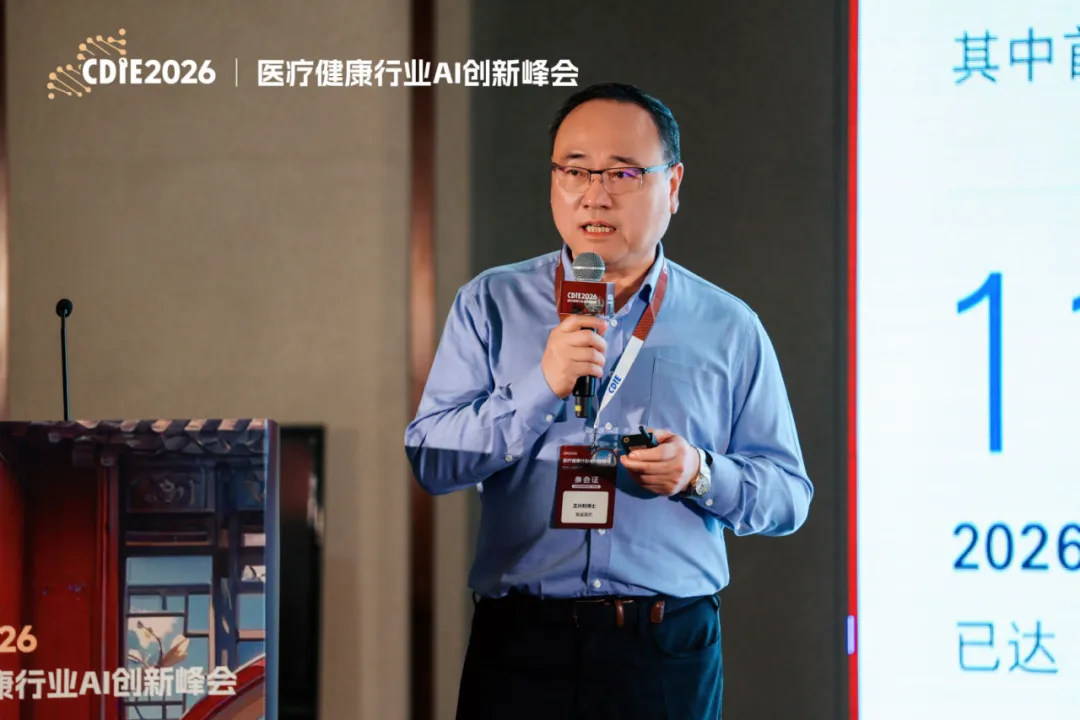
Ivan Nie
Head of AI Innovation, GE HealthCare
Ivan Nie introduced a four-stage AI evolution framework:
Constraints → Autonomous Path → Ignition → Momentum
For multinational companies operating in China, AI implementation must take into account local data requirements, capability alignment, and compliance.
Key considerations include:
Data remaining in China
Alignment between business needs and technical capabilities
Compliance embedded into AI architecture
A three-layer AI architecture
Four key insights were highlighted:
Compliance is the entry ticket.
Supply disruption is not necessarily a bad thing.
Don’t broadcast — ignite.
Headcount reduction should not become an AI KPI.
The discussion emphasized that AI transformation in multinational organizations requires a practical balance between technology, business needs, compliance, and organizational change.
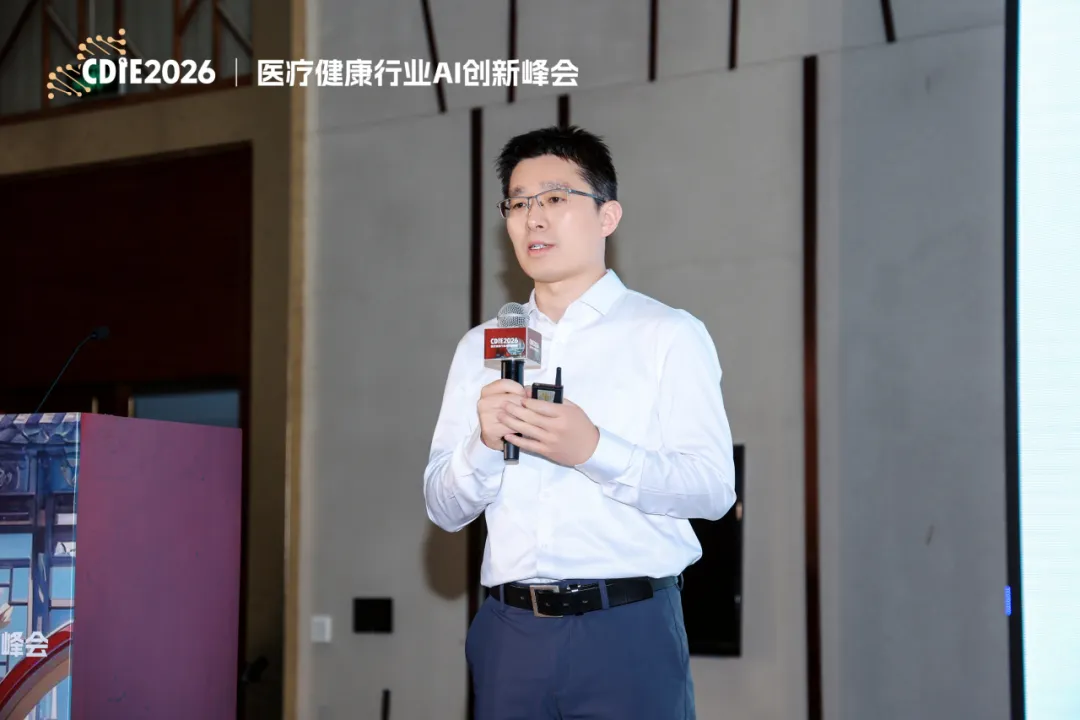
Wang Zhaoyang
AI Innovation Director, Information Department, Henlius Biotech
Wang Zhaoyang introduced three AI development paths:
AI for Science · AI for Efficiency · AI for Excellence
AI is moving beyond isolated scientific applications toward broader intelligence across the pharmaceutical value chain.
Among the practical applications shared:
AbICL improves candidate ranking by 15%
HAI Hub has more than 2,700 users
The platform includes 42 AI agents
More than 160 AI pioneers are involved
The evolution from AI for Science toward full value-chain intelligence reflects a broader shift from individual AI applications to enterprise-level AI capabilities.
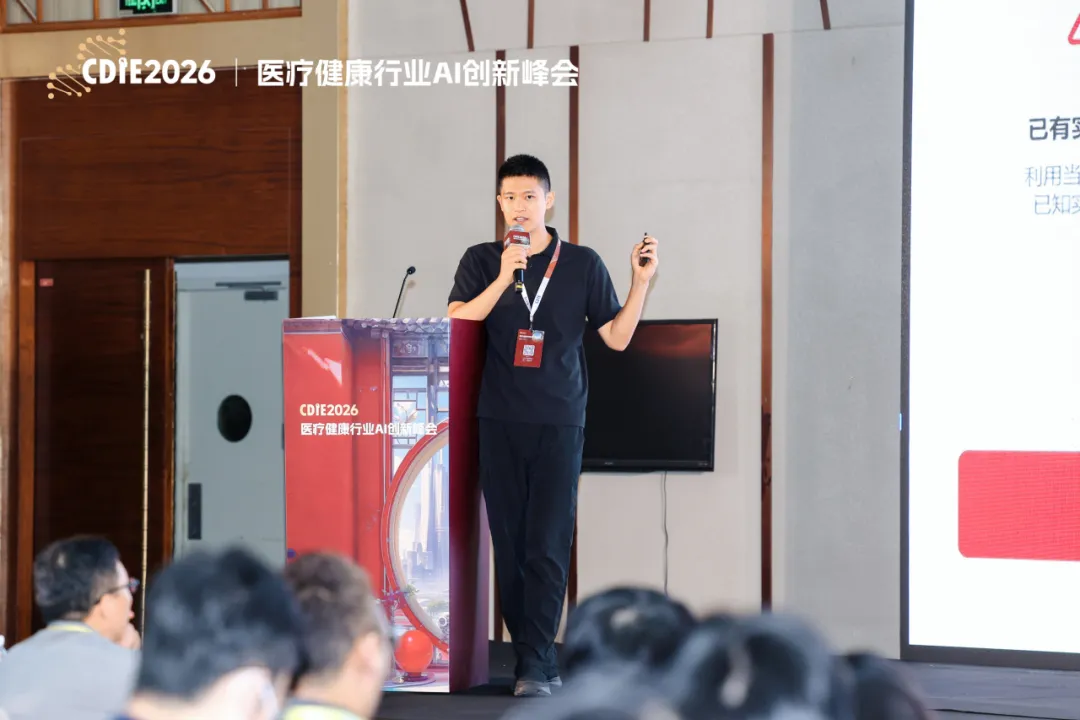
Roy Chen
CISO of a Leading Multinational Medical Device Company
AI is increasingly being embedded into traditional enterprise software, creating new challenges around data, product behavior, responsibility, and regulatory interpretation.
The discussion highlighted that 72% of enterprise AI deployments involve third-party vendors.
AI can change:
How data is used
How products behave
Where responsibility lies
How regulatory requirements are interpreted
Roy Chen introduced the “12 Rules for No PO, No Signing” framework, covering areas such as:
Training-data isolation
AI liability caps
Model-change rights
Legal remediation during renewal windows
As AI becomes part of enterprise software infrastructure, organizations need to reconsider how traditional procurement, legal, security, and compliance frameworks apply to AI-enabled products.
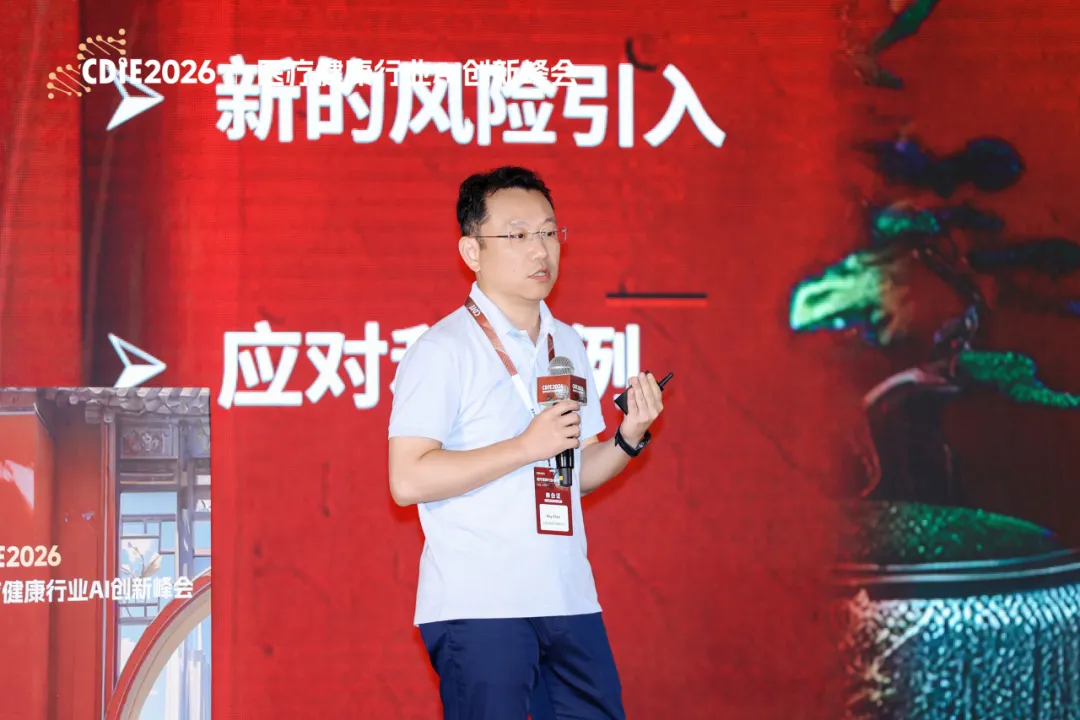
Zhou Pengcheng
Head of Information Department, Yangtze River Pharmaceutical Group / Jiangsu Zilong Pharmaceutical
Zhou Pengcheng shared practical examples of how AI is being integrated into pharmaceutical manufacturing and digital systems.
The company's digital transformation is centered around an SAP-based digital chain, supported by:
Electronic Batch Records (EBR)
Digital quality loops
AI visual analysis
Wireless vibration AI monitoring
AI-enabled laboratory sample-retention systems
One AI visual analysis application replaced the previous “Super Brain” solution with an open-source solution, generating savings of approximately RMB 240,000.
The wireless vibration monitoring system applies AI to equipment monitoring.
Meanwhile, the laboratory AI sample-retention system has covered 1,320 batches.
These cases demonstrate how AI can move beyond conceptual innovation and directly contribute to operational efficiency and manufacturing transformation.
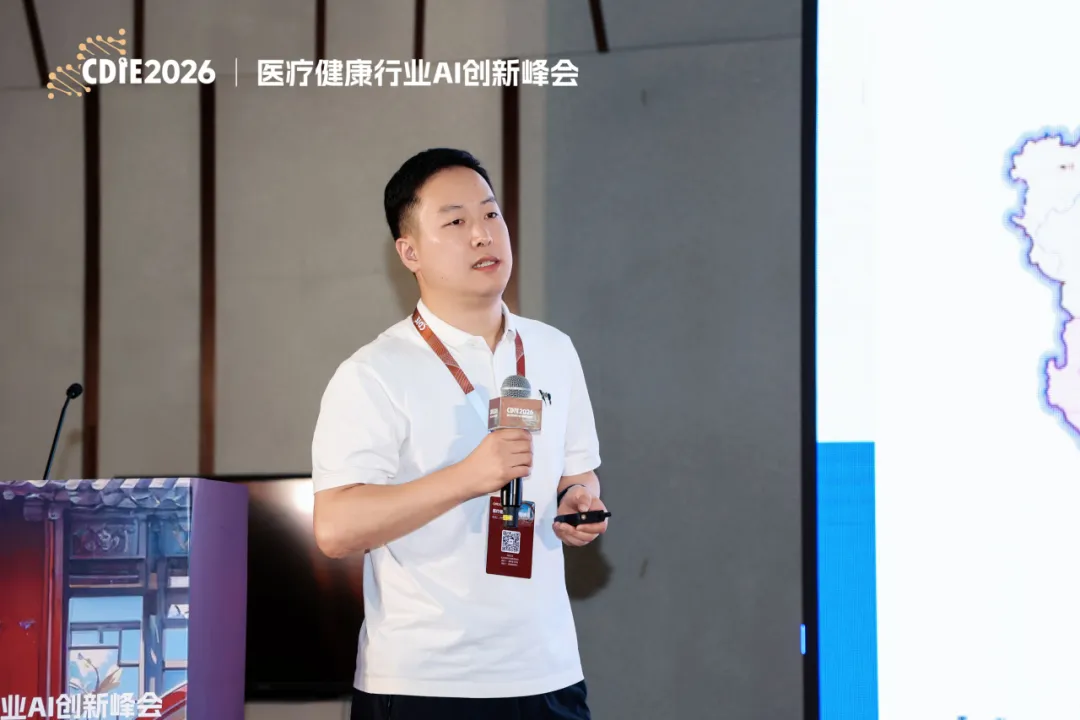
Cheng Yafei
CIO, Shanghai Tongjitang Pharmaceutical
The digital and intelligent transformation of the traditional Chinese medicine decoction piece industry was discussed through four key pillars:
Standards · Quality · Security · Metadata
Among the applications shared:
An automated formula machine covering 400 types, described in the source as the world's first
AI image recognition covering 738 categories
99.09% validation accuracy
Microscopic identification accuracy of over 95%
AI-assisted TLC comparison improving efficiency by more than 30%
These applications demonstrate how AI can be integrated into traditional Chinese medicine through standardized data, quality control, intelligent recognition, and process optimization.
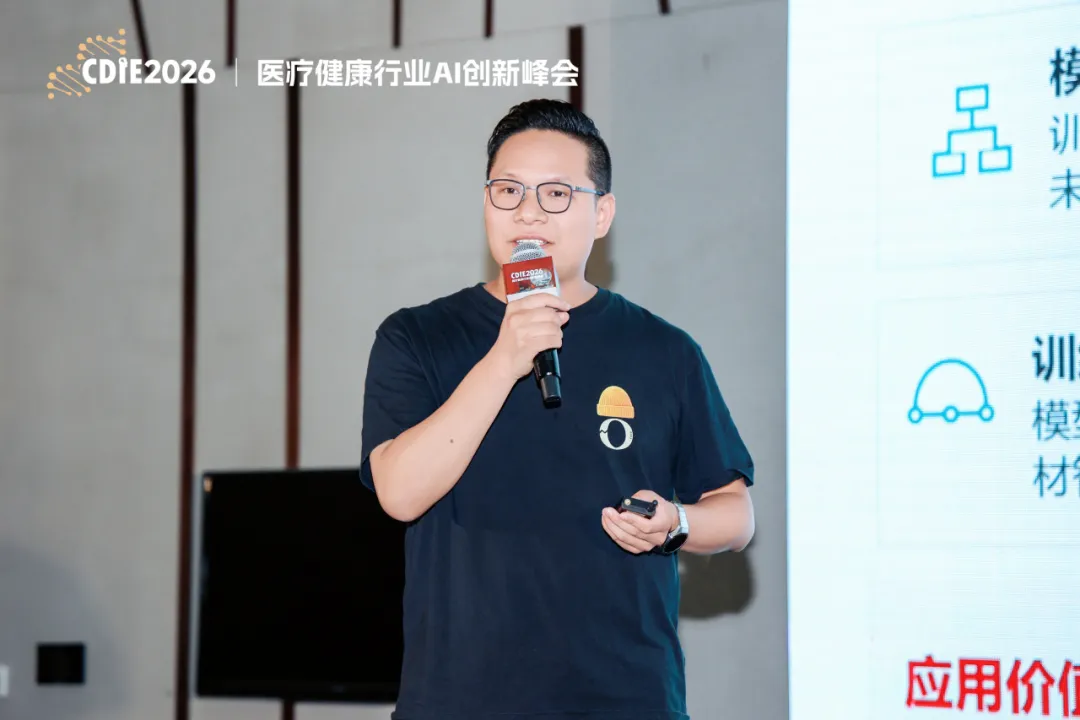
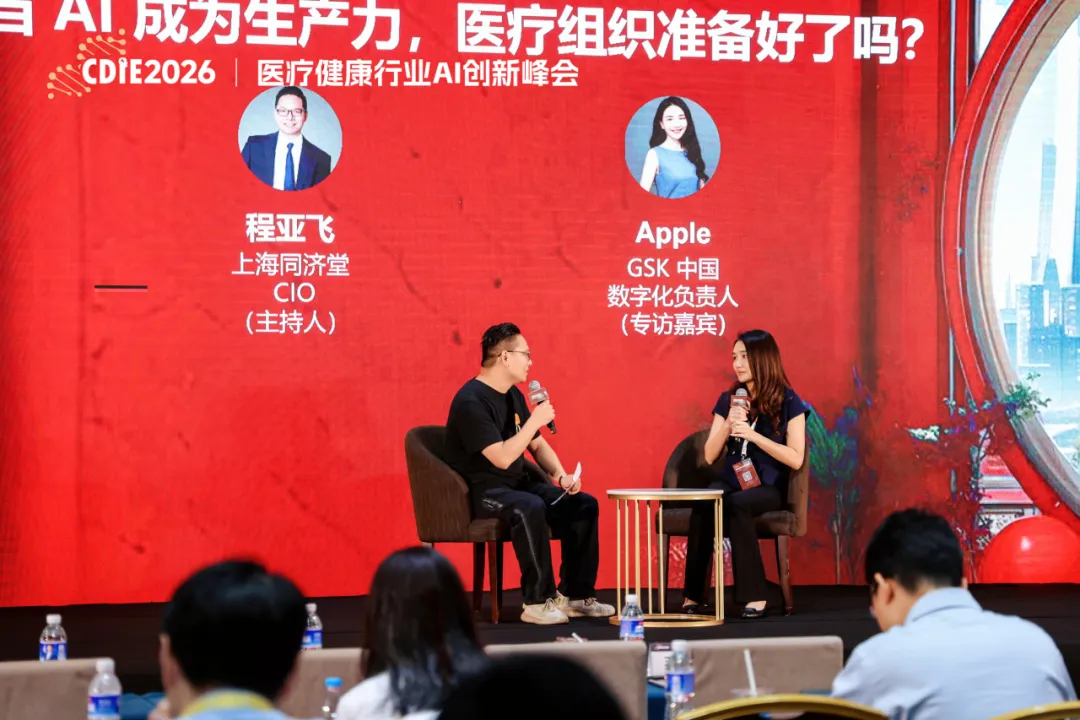
Moderator: Cheng Yafei
As AI moves from experimentation into productivity tools, healthcare organizations are facing a new question:
Are organizations truly ready for AI-driven productivity?
The discussion explored how healthcare organizations can prepare for AI adoption across technology, people, data, security, compliance, and organizational capabilities.
The roundtable brought together perspectives from industry practitioners, including Apple and the Digital Transformation Lead, GSK China.
The focus shifted from whether organizations should adopt AI to how they can build the organizational and technological foundations required for sustainable AI implementation.
Recognizing outstanding contributions to AI innovation in the healthcare industry.
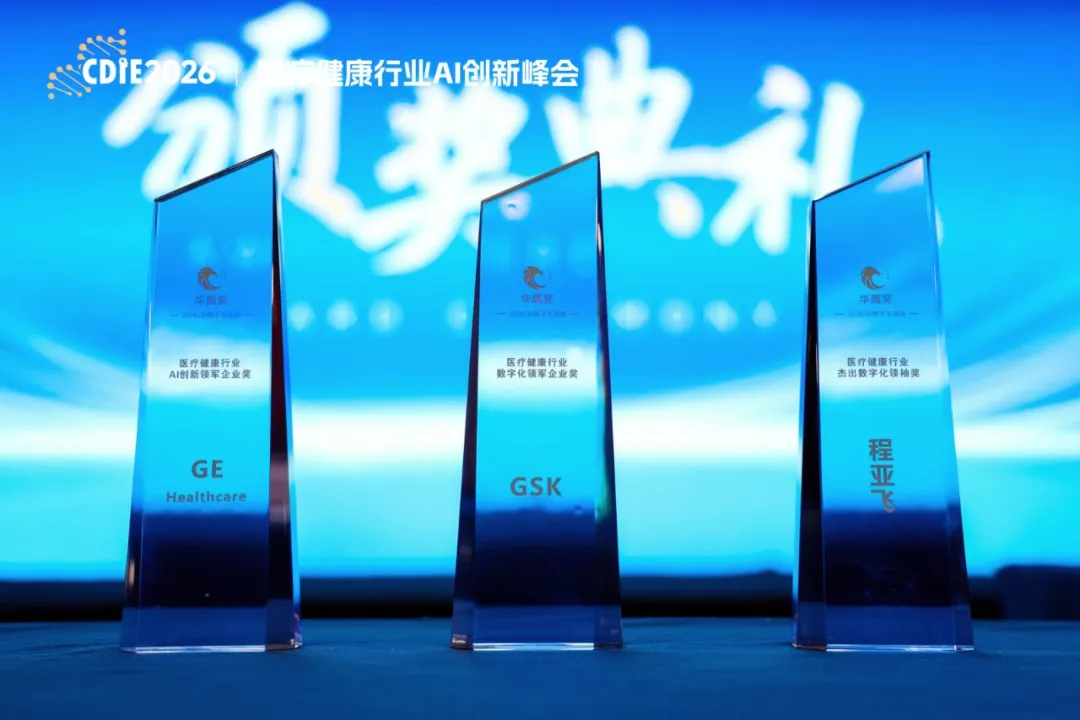
Recognizing leaders who have demonstrated outstanding achievements in healthcare digital transformation.
Award recipients and organizations included:
GE HealthCare
GSK
Henlius Biotech
Cheng Yafei
From AI-native healthcare to pharmaceutical innovation, from intelligent manufacturing to traditional Chinese medicine, and from AI applications to organizational transformation, the 2026 CDIE Healthcare AI Innovation Summit brought together industry leaders to explore how AI can become a new source of productivity across the healthcare value chain.
The conversation is moving beyond “AI is important” toward more practical questions:
How can AI create measurable value?
How can organizations implement AI responsibly?
How can technology, people, data, and innovation be connected to create sustainable business impact?
CDIE continues to connect people, ideas, technology, and innovation, creating opportunities for deeper industry collaboration and business innovation.

AI Market Research & Consumer Insights Provider
China's Leading Treasury Management Software Provider
AI落地解决方案及数字化创新服务提供商
A high-tech enterprise integrating product design, R&D, sales, and services.
Leading full-scenario data intelligence service provider in China.